Life throws curveballs, presenting us with moments where we must decide whether to ‘double down’ or ‘walk away.’ I remember launching a small social media campaign for a local business. Initial results were promising, but after two weeks, engagement plummeted. We faced a choice: pour more resources into the campaign, hoping to revive it, or cut our losses and re-strategize. We doubled down and lost more money. These aren’t just crossroads. These are high-stakes strategic decisions that can lead to substantial gains or crippling losses.
The essence of the ‘double down or walk away’ decision lies in assessing risk, resource allocation, and the potential future impact of actions taken. It requires a clear understanding of goals, a realistic evaluation of the current situation, and the foresight to anticipate potential consequences. Indecision itself carries a cost – missed opportunities, wasted resources, and prolonged uncertainty. So, grappling with this dilemma effectively is paramount in both personal and professional spheres.
Understanding the Core Dilemma: Double Down or Walk Away?
Life is full of pivotal moments where a crucial decision must be made: should one double down or walk away? This dilemma presents itself in various guises, from high-stakes business ventures to the intricacies of personal relationships. Understanding the core principles at play – commitment and opportunity cost – is paramount to making sound choices.
Defining ‘Double Down’
At its essence, ‘doubling down’ signifies an escalated commitment. It involves investing additional resources – be it capital, time, or emotional energy – into a course of action despite uncertain or even negative initial results. Consider a business that is not performing as expected decides to inject further capital, or an individual in a strained relationship who chooses to invest more effort to salvage it, or even pouring more time to a personal project to achieve the set goal. All these cases represents the meaning of doubling down in investment, resources and commitment.
Defining ‘Walk Away’
‘Walking away’ is the act of disengaging from a particular endeavor, choosing to cut losses and redirect resources elsewhere. It’s a strategic decision rooted in risk management and an acute awareness of opportunity cost. Walking away shouldn’t be viewed as failure, but rather than a strategic move and a reassessment; it’s about recognizing that continuing down the same path may lead to greater losses than pivoting to a more promising venture. Identifying when to walk away is a vital skill in navigating through life with minimal loses.
Recognizing the Trap: Common Biases That Cloud Judgement
Human decision-making is rarely a purely rational process. We like to think we’re logical, weighing pros and cons with cool detachment, but psychological biases often steer us wrong. These biases can be particularly dangerous when we’re faced with tough choices, leading us to stubbornly persist down paths that are clearly detrimental. Understanding these biases is the first step towards making better, more rational decisions, especially when the urge to ‘double down’ is strong, but ‘walking away’ is the wiser move. Recognizing them offers a chance to avoid these pitfalls.
Sunk Cost Fallacy: Throwing Good Money After Bad
The sunk cost fallacy describes our tendency to continue investing in something simply because we’ve already invested time, money, or effort into it, even when it’s clear that continued investment is not worthwhile.
For instance, consider someone who has spent a significant amount repairing an old car. When yet another costly repair arises, they might rationalize continuing to fix it because they’ve “already put so much money into it,” even if the total repair costs exceed the car’s actual value. This irrational escalation of commitment is classic sunk cost fallacy.
Loss Aversion: The Fear of Letting Go
Loss aversion is the psychological phenomenon where the pain of losing something is felt more acutely than the pleasure of gaining something of equal value. This can lead to holding onto losing assets or staying in unfavorable situations longer than is logical. Think about someone who refuses to sell a stock that has been steadily declining, hoping it will rebound, even though objective analysis suggests otherwise. The fear of admitting a loss overrides the potential for future gain by investing elsewhere. Such emotional attachment tends to cloud our judgment.
Confirmation Bias: Seeing What You Want to See
Confirmation bias is the inclination to seek out, interpret, and remember information that confirms one’s pre-existing beliefs or hypotheses. Conversely, individuals exhibiting confirmation bias tend to ignore or downplay information that contradicts their beliefs. For example, someone who believes a certain diet is superior might only read articles and studies that support its effectiveness, while dismissing studies that show negative results or other diets being more beneficial. This selective intake of information reinforces their initial belief, regardless of the objective truth and leading to biased decision-making.

The Framework: An Expert’s Go-To Approach
Navigating the crossroads of “double down” or “walk away” demands more than gut feeling. It requires a structured, objective framework. Over years of advising entrepreneurs and making high-stakes decisions, I developed a four-step process to cut through the noise and make sound choices. It’s born from experience of losing tons of money by not using it, and it has saved me a lot more money later.
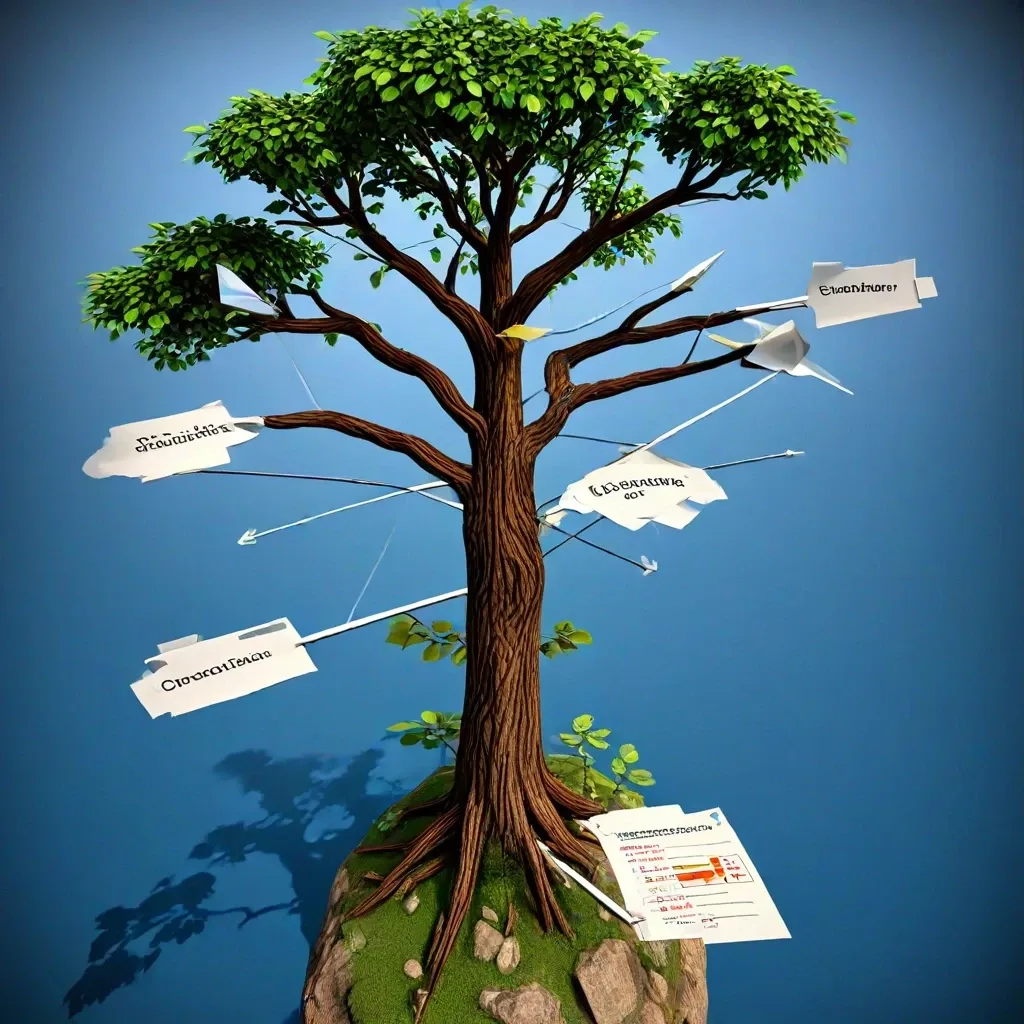
This framework isn’t about eliminating risk – that’s impossible. It’s about understanding it, quantifying it where possible, and setting clear boundaries. Visualized, it resembles a decision tree, each branch representing a critical evaluation point. Think of it as your personal strategic GPS, guiding you towards the most rational outcome. This framework emphasizes objectivity and data-driven analysis.
Step 1: Define Clear Objectives and Metrics
Before anything else, define what success looks like. This isn’t just about vague aspirations; it’s about establishing clear, measurable, achievable, relevant, and time-bound (SMART) goals. What Key Performance Indicators (KPIs) will tell you if you’re on track? For a business, it might be revenue growth, customer acquisition cost, or market share. For an investment, it could be return on investment (ROI) or dividend yield. In a personal relationship, perhaps it’s the frequency of meaningful communication or shared activities. Without these concrete metrics, you’re flying blind. For example, instead of “grow the business,” aim for “increase monthly recurring revenue by 15% within six months.”
Step 2: Assess Current Risk and Potential Reward
Now, scrutinize the landscape of risk and reward. Quantify everything possible. What’s the potential upside? What are the possible losses? Calculate the risk-reward ratio. A high potential reward doesn’t always justify a high risk. Consider all possibilities, the best and the worst. What are the chances of a catastrophic event? What are the odds of exceeding expectations? Tools like scenario planning and sensitivity analysis can help. Scenario planning means creating different plans for different situations and sensitivity analysis explores the impact of changing an element (like interest rates) in your plan. Remember, risk assessment isn’t about predicting the future; it’s about preparing for it.
Step 3: Evaluate Your Competitive Advantage
What distinct advantages do you possess? This is where a SWOT (Strengths, Weaknesses, Opportunities, Threats) analysis becomes invaluable. Honestly assess your strengths to identify what differentiates you. Recognize your weaknesses and create a plan to mitigate them. Where do opportunities exist in the market, and how can you capitalize on them more effectively than your competitors? What threats could derail your progress, and how can you prepare for them? For example, if you’re launching a new product, maybe your strength is speed to market, your weakness is limited marketing budget, the opportunity is a competitor’s product recall, and a threat is a new regulation. This step requires brutal honesty.
Step 4: Set Stop-Loss Criteria
This is the emotional safety net. A stop-loss is a pre-determined point at which you cut your losses and walk away, regardless of how you feel at the time. This removes emotion from the equation. How do you define your stop-loss? It depends on your metrics. For a business, it could be a sustained decline in revenue for two consecutive quarters. For a stock, a 15% drop from your purchase price. In a relationship, maybe it’s repeated instances of broken trust with no attempt to reconcile. The key is to define this thresholdbefore* things get difficult. This ensures you are making a rational decision. Setting the criteria doesn’t guarantee success, but it does guarantee you won’t stay in a losing situation longer than you can afford.
Case Studies: Real-World Successes and Failures
Case Study 1: Doubling Down for Success
Consider the tale of a small software startup facing a critical juncture. Initially, their innovative project management tool struggled to gain traction in a competitive market. Early marketing efforts yielded minimal results, and the team faced mounting pressure to cut their losses. However, digging deeper revealed a niche audience—agile development teams in large corporations—that resonated strongly with the tool’s unique features. Instead of abandoning the project, the founders made the bold decision to double down, focusing their marketing efforts exclusively on this niche. They invested in targeted advertising, content marketing showcasing the tool’s benefits for agile workflows, and direct outreach to key decision-makers within these organizations. This focused approach yielded significant results. Within six months, the startup secured several major corporate clients, revenue soared, and the company ultimately became a leader in its niche. The key to their success was identifying a specific underserved market and demonstrating a strong commitment despite initial setbacks. Their willingness to double down, fueled by a deep understanding of their target audience and the potential of their product, transformed a near-failure into a resounding success.
Case Study 2: Walking Away to Minimize Losses
Sometimes, the bravest decision is knowing when to quit. A mid-sized manufacturing company learned this lesson the hard way after embarking on an ambitious expansion into a new product line. Initial market research suggested strong demand, and the company invested heavily in new equipment, raw materials, and personnel. However, as production ramped up, several unforeseen challenges emerged. The cost of raw materials skyrocketed, new regulations increased compliance expenses, and a major competitor launched a similar product at a significantly lower price point. Despite these warning signs, the company’s leadership, blinded by their initial investment and optimistic projections, continued to pour resources into the struggling product line. It was only after facing mounting losses, strained relationships with suppliers, and a significant drain on resources that they finally decided to walk away. This difficult decision, although painful, ultimately saved the company from bankruptcy. By cutting their losses and refocusing on their core business, they were able to stabilize their finances, recover from the setback, and pursue more promising opportunities. Recognizing the sunk cost fallacy and acting decisively to minimize further damage proved to be a crucial turning point for the business.
Actionable Steps: Implementing the Framework in Your Life
Transforming theory into practice is crucial for mastering any decision-making framework. The following actionable tips are designed to help you seamlessly integrate the “Double Down or Walk Away” strategy into your daily life.
-
Step 1: Identify a Current ‘Double Down or Walk Away’ Decision
Begin by pinpointing a real-world problem you’re currently grappling with. This could be a career choice, a relationship dilemma, a financial investment, or any situation where you’re at a crossroads. The key is to choose a decision that genuinely matters to you. Think of it as a risk management exercise but on a personal level. What difficult decisions are looming in your life right now? Reflect on those moments where you feel torn between persevering and cutting your losses.
-
Step 2: Apply the Framework and Document the Analysis
Now, roll up your sleeves and methodically work through the framework. Assess potential risks and rewards with brutal honesty. Identify your key metrics for success and failure. Don’t skimp on conducting a thorough SWOT (Strengths, Weaknesses, Opportunities, Threats) analysis. Document everything. This isn’t about gut feelings; it’s about building a case based on evidence. Challenge your assumptions. Ask yourself tough questions: What biases might be clouding my judgment? What information am I overlooking? Am I being realistic about the potential downsides?
Conclusion
Navigating life’s complexities requires more than just gut feelings; it demands a structured approach to decision-making. We’ve explored a framework designed to empower you, turning potentially overwhelming choices into manageable steps. From clarifying your objectives to rigorously assessing risks, each element plays a crucial role in steering you toward favorable outcomes.
Embracing this decision-making framework isn’t about eliminating uncertainty; it’s about minimizing regret and maximizing your chances of success. By methodically weighing your options, considering potential consequences, and aligning your choices with your core values, you transform yourself from a passive observer into an active architect of your own destiny. Strategic decisions become less daunting, more deliberate, and ultimately, more rewarding.
Take this framework, experiment with it, and adapt it to your unique circumstances. The power to shape your future lies within your grasp – all it takes is a willingness to think strategically and act decisively. Remember a time when a quick decision led to unforeseen consequences? Learning from those experiences and applying a structured approach can make all the difference in achieving the desired results.